

News - Events
Can brands learn from Gen Z? PepsiCo's Youth Impact Studio says yes
by Gaya Salam
July 7, 2026
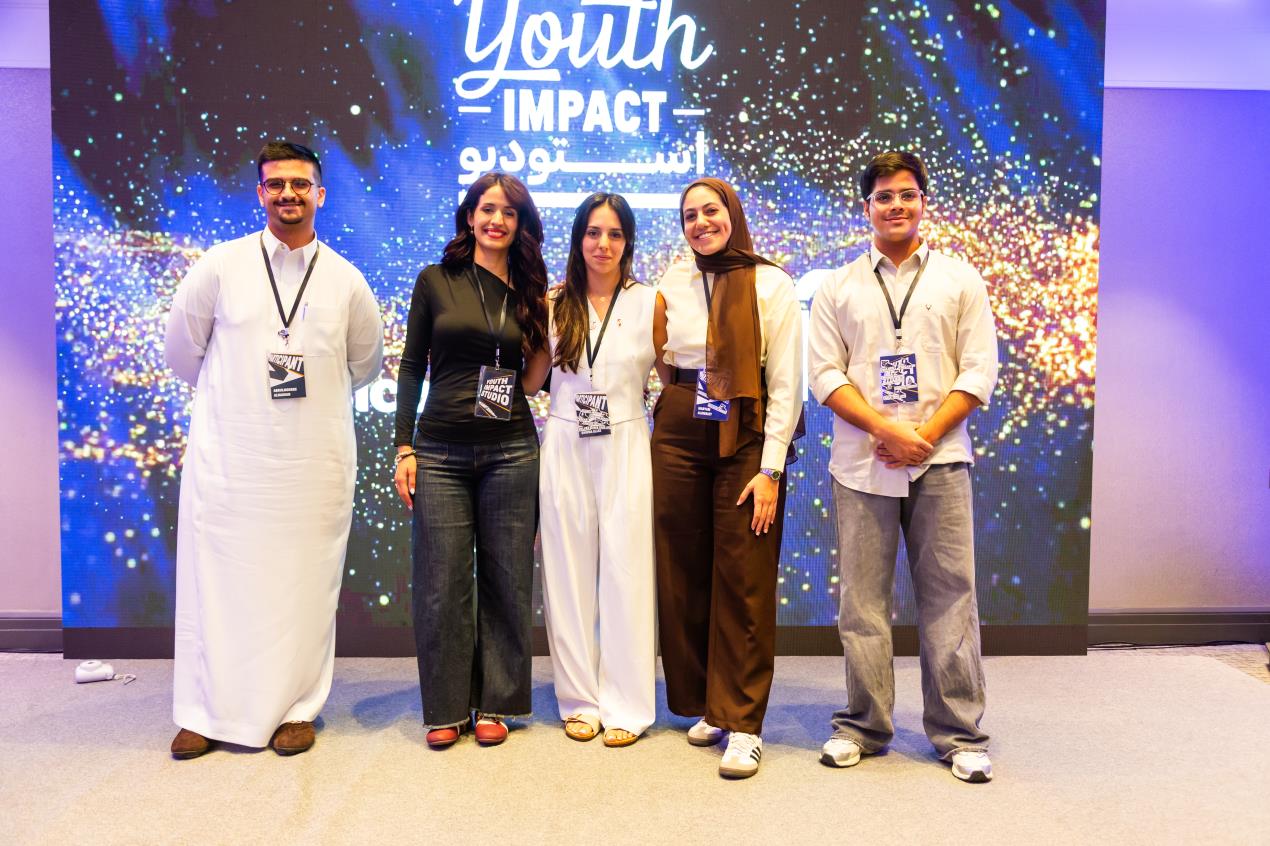


More than 100 young participants from Iraq, Jordan, Lebanon, Saudi Arabia and the UAE have completed the second edition of PepsiCo's Youth Impact Studio, a regional initiative designed to give emerging talent hands-on experience in brand strategy, creative thinking and innovation.
The programme concluded with a regional summit in Amman, where five finalists from each participating country came together to present their work. At the end of the event, one participant from each market was selected to visit PepsiCo's global R&D hub in Dublin.
Delivered in partnership with parachute16 and supported by PepsiCo's local bottlers, the initiative challenged participants to develop campaigns for Aquafina, Pepsi Zero and Sting based on consumer insights, local culture and community relevance.
Each market received a different brief. Jordan and Lebanon focused on Aquafina through campaigns encouraging moments of reflection and everyday positive action. Saudi Arabia's participants developed football-inspired concepts celebrating fan culture and the country's sporting momentum, while teams in the UAE explored ambition and creativity through Sting. In Iraq, participants built campaigns centred on local energy and youth expression.
Alongside campaign development, participants received practical training in presentation skills, design thinking, teamwork, leadership and problem solving. While AI tools were permitted as part of the creative process, the programme placed greater emphasis on strategic thinking, collaboration and original ideas.
The 2026 edition broadened its scope beyond last year's sustainability theme to include social impact, storytelling and community engagement, reflecting PepsiCo's wider effort to engage young people across the Middle East through practical learning experiences.
Commenting on the programme, Wael Ismail, Vice President of Corporate Affairs for MENAPAK at PepsiCo, said the initiative gives young people an opportunity to contribute fresh perspectives while helping the company better understand how the region's next generation engages with its brands.
As brands compete for Gen Z attention, initiatives that invite young people into the strategy process—not just the audience—are becoming as valuable for insight as they are for talent development.