

Industry Talk - POV
Behavioral Science in MENA; Why Global Nudges Fail and Local Heuristics Win
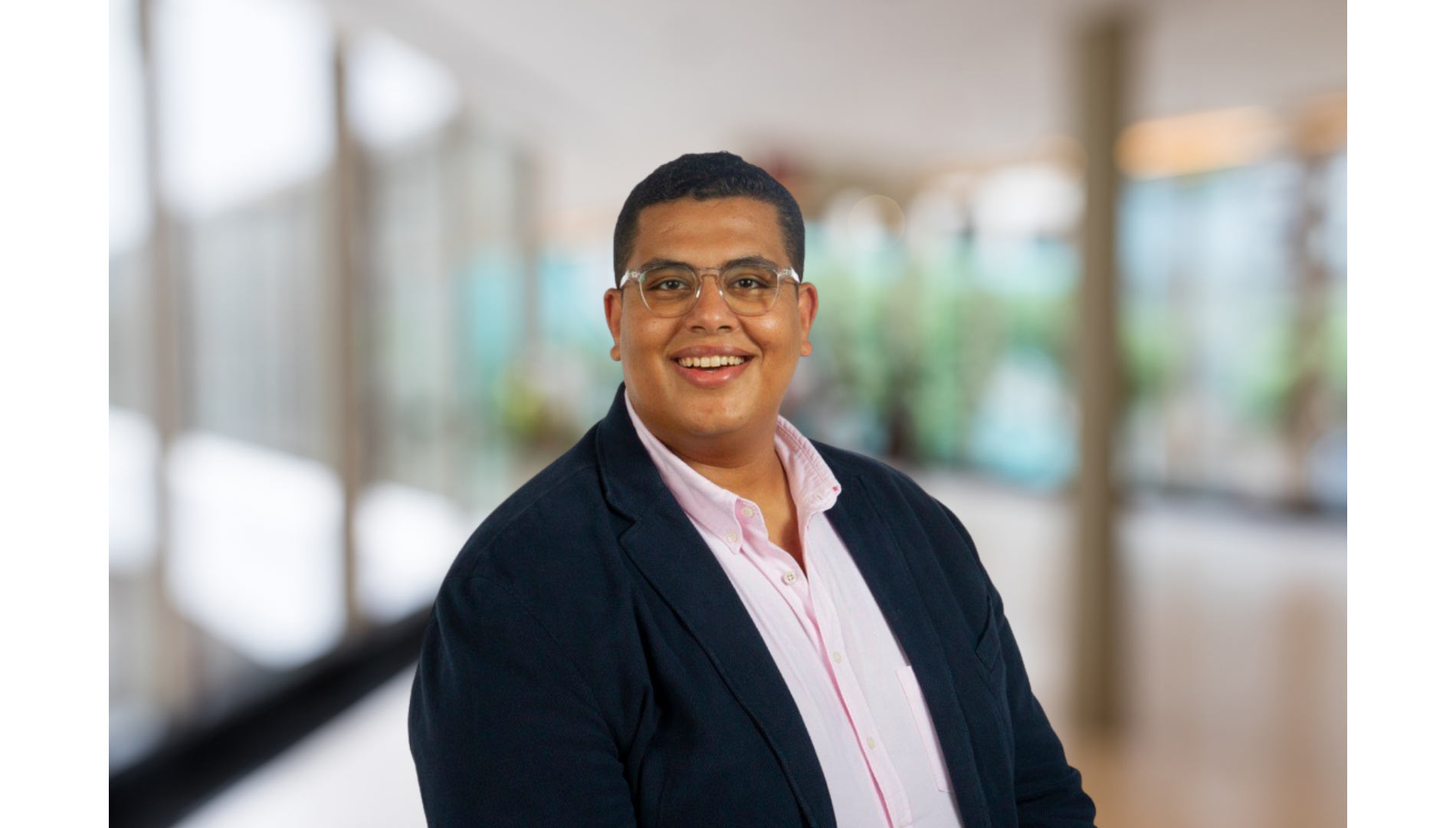
by Richard El Hashem
June 2, 2026


"I've seen it happen more
times than I can count. A global brand comes to the MENA region with a playbook
that worked in New York, London, or Singapore. They've got behavioral science
backing. Nobel laureates cited. Peer-reviewed studies. They're confident.

'Not because the science is wrong. Behavioral science is universal. The way the brain processes loss aversion, social proof, scarcity; those mechanisms are hardwired. We all have the same cognitive machinery.
But heuristics are not universal. Heuristics are the shortcuts that culture builds on top of that machinery. And in MENA, those heuristics are different. What moves a Western consumer often backfires here.
The Translation Trap
Most MENA marketers take a nudge from a Harvard paper and assume it works everywhere. They translate the words, maybe change the images, and launch. That's not localization. That's a trap.
Let me give you an example. Reciprocity - the idea that people feel obliged to give back when they receive - is a powerful nudge globally. But it works differently in high-context cultures like Egypt, Saudi, and Lebanon. In the West, reciprocity is often transactional: "you gave me a free sample, so I'll buy." In MENA, reciprocity is relational: "you showed me respect and invested in my community, so I'll trust you." The trigger is different. The timeline is longer. The nudge that works in a Western supermarket fails in a Cairo souk.
Or consider scarcity. "Limited time offer" works everywhere, but the intensity varies. In economically unstable environments, loss aversion is amplified. The fear of missing out is not just FOMO; it's fear of real economic harm. But that also means scarcity messages need to be handled carefully. Overuse them, and you look manipulative. Underuse them, and you miss a powerful lever.
I learned this the hard way. Early in my career, we ran a scarcity campaign for a very famous beauty care brand in the GCC. The same creative, same offer, same timing. In the UAE, it worked beautifully. In Saudi, it fell flat. When we dug in, we found that Saudi consumers perceived the urgency as aggressive. They wanted more time to consult family. The scarcity nudge actually created resistance.
Local Heuristics That Actually Work
After hundreds of brand applications across the region, I've codified a set of MENA-specific heuristics that reliably outperform many global nudges.
First, “wasta” (clout) as a form of social proof. In the West, social proof is "9 out of 10 dentists recommend."
In MENA, the most powerful social proof is "someone you trust, or someone respected in your network, uses this." That means influencer marketing works, but only if the influencer has genuine “wasta”, real connections and credibility, not just follower counts.
Second, “3aib” (shame) as a deterrent. In Western behavioral science, shame is considered a weak driver compared to guilt or fear. But in honor-based cultures, public shame is a powerful motivator. I've seen campaigns that used "don't let your family down" framing outperform purely rational appeals by 3x. You have to be careful - shame can backfire if it feels judgmental - but used correctly, it's a hidden lever.
Third, “baraka” (blessing) as a loyalty driver. Western loyalty programs rely on points, discounts, and status. In MENA, adding a blessing - a charitable donation made in the customer's name, a prayer for their family's well-being, a product blessed by a respected figure - creates emotional loyalty that points can't match. I worked with a food brand in Saudi Arabia that added a "blessed by local imam" certification on their halal products. Sales increased 25% with zero other changes. The customers didn't just buy the product. They felt good about buying it.

How to Build Your Own Local Playbook
Stop running Western experiments. Seriously. Don't assume that because a nudge worked in a Stanford lab, it will work in Jeddah.
Instead, do three things.
First, mine your own customer service logs for irrational complaints. Look for complaints that don't make logical sense. Those are clues to local heuristics. For example, I once saw a complaint that a product was "too modern." That's not a design critique. That's a signal about tradition and change. The heuristic underneath was about respecting the past while embracing the future.
Second, run simple A/B tests that pit a global nudge against a locally derived one. Same offer, same audience, same channel. But one version uses Western framing ("don't miss out"). The other uses local framing ("your family would be proud"). The gap between the two tells you how much localization matters for that specific behavior.
Third, observe, don't assume. Spend time in the market. Not in conference rooms. In people's homes, in their daily routines, in their decision moments. Watch how they negotiate, how they consult, how they change their minds. The heuristics are hiding in plain sight. You just have to look.
The Bottom Line
Behavioral science is universal. Heuristics are not.
The brands that win in MENA are the ones that stop translating and start discovering. They don't copy-paste nudges. They build their own playbooks, based on local observation, local testing, and local humility.
So, here's my challenge to you: take your next campaign and ask yourself, "what assumption am I making about how people decide?" Then go test that assumption. Not with a survey. With a behavioral experiment.
Stop translating. Start discovering. Your conversion rates will thank you.