

News
Why Hundreds of Brands Taught Me That Most “Saudi Market Entry” Strategies Are Built on Sand

I still remember the call. A senior marketing director
from a major European luxury brand, six months after their glitzy Riyadh
launch. "Richard, we did everything right. Big launch event. Local
ambassadors. Adapted creative. Sales are half of forecast."

I'd heard that exact frustration dozens of times. Across hundreds of brands - FMCG, fintech, real estate, even government entities - the story repeats. A global or regional player decides Saudi is the next big thing. They hire a consultant. They build a plan. They execute with confidence. And then the market quietly rejects them.
Not because the product is wrong. Not because the price is off. But because their strategy was built on sand.
The Dubai Mirage
Here's what I've learned after over two decades watching brands enter the Kingdom: most of those glossy market entry plans are just a reskinned UAE playbook. They change a few photos, add some Arabic calligraphy, maybe hire a local ambassador, and call it a "Saudi strategy."
That's not strategy. That's a reskin. And Saudi consumers can smell it from a mile away.
The UAE and Saudi Arabia are neighbors, but their consumer psychologies are worlds apart. The UAE, especially Dubai, is a transient, expat-heavy, low-trust-but-convenience-driven market.
Saudi is a deep, family-rooted, high-context society where trust is earned slowly through networks and demonstrated commitment. What works in a Jumeirah beach club will flop in a Riyadh compound.
I once advised a fintech that had conquered the UAE market with a sleek, no-frills app. They wanted to replicate in Saudi. I asked them to spend a week just observing: how Saudis ask for financial recommendations (family WhatsApp groups, not comparison sites), how they react to "foreign" interfaces (suspicion, then slow adoption), and what kind of guarantees actually reassure them (not legal disclaimers but kin endorsements). The team was shocked. They'd assumed the Saudi consumer was just a richer version of their UAE user. They were wrong.
The Behavioral Reality Under Vision 2030
Vision 2030 didn't just open sectors. It created a new consumer psyche. Saudis under 35 are more educated, more connected, and more ambitious than any previous generation. But they are also more skeptical of brands that parachute in with generic "we love Saudi" campaigns.
I've seen this play out across a multitude of brands. The ones that win share a common trait: they decouple from GCC groupthink. They don't ask "what worked in Dubai?" They ask "what does a Saudi actually need to feel before they trust us?"
That means redesigning the entire customer journey for local heuristics. For example, social proof in Saudi is not Instagram likes. It's family approval. I saw a home appliance brand struggle for a year until they shifted their influencer strategy from famous faces to respected family matriarchs. Sales tripled in four months.
Another example: skepticism toward foreign narratives. A global beverage company launched a "global happiness" campaign in Saudi. It flopped. They switched to a campaign that highlighted local production, local jobs, and local sourcing. The same creative platform, different framing. Engagement soared.
What Actually Works
After all these years, I've boiled down a simple checklist for any brand serious about Saudi entry:
First, stop segmenting by age and income. Start mapping by how Saudis actually decide. What are the trusted sources? What are the taboos? What's the role of family in the purchase? You can't answer these from a desk in London or Dubai.
Second, embrace slow trust. Saudis don't trust quickly. They test. They ask around. They wait to see if you'll still be there in a year. Your launch plan should have a 12-month trust-building phase before any major conversion push. Most brands blow their budget on launch month, then wonder why retention is zero.
Third, hire strategists who have lived the culture; not just visited. I've seen too many "Saudi experts" who have never dived into the Saudi life, never navigated the social nuances, never sat through a family negotiation over a purchase. You can't fake that depth.
The Bottom Line
The Saudi market is a massive opportunity. But it's also a graveyard for lazy strategies. Every time I hear "we'll just adapt our UAE approach," I cringe. The sand is shifting. The brands that win will be the ones who build on behavioral reality, not on assumptions dressed up as strategy.
So, here's my advice: before you write another deck, spend time in the market. Not at conferences. In people's homes, in their WhatsApp groups, in their decision-making moments. Build from there. Everything else is just expensive noise.
Recommended
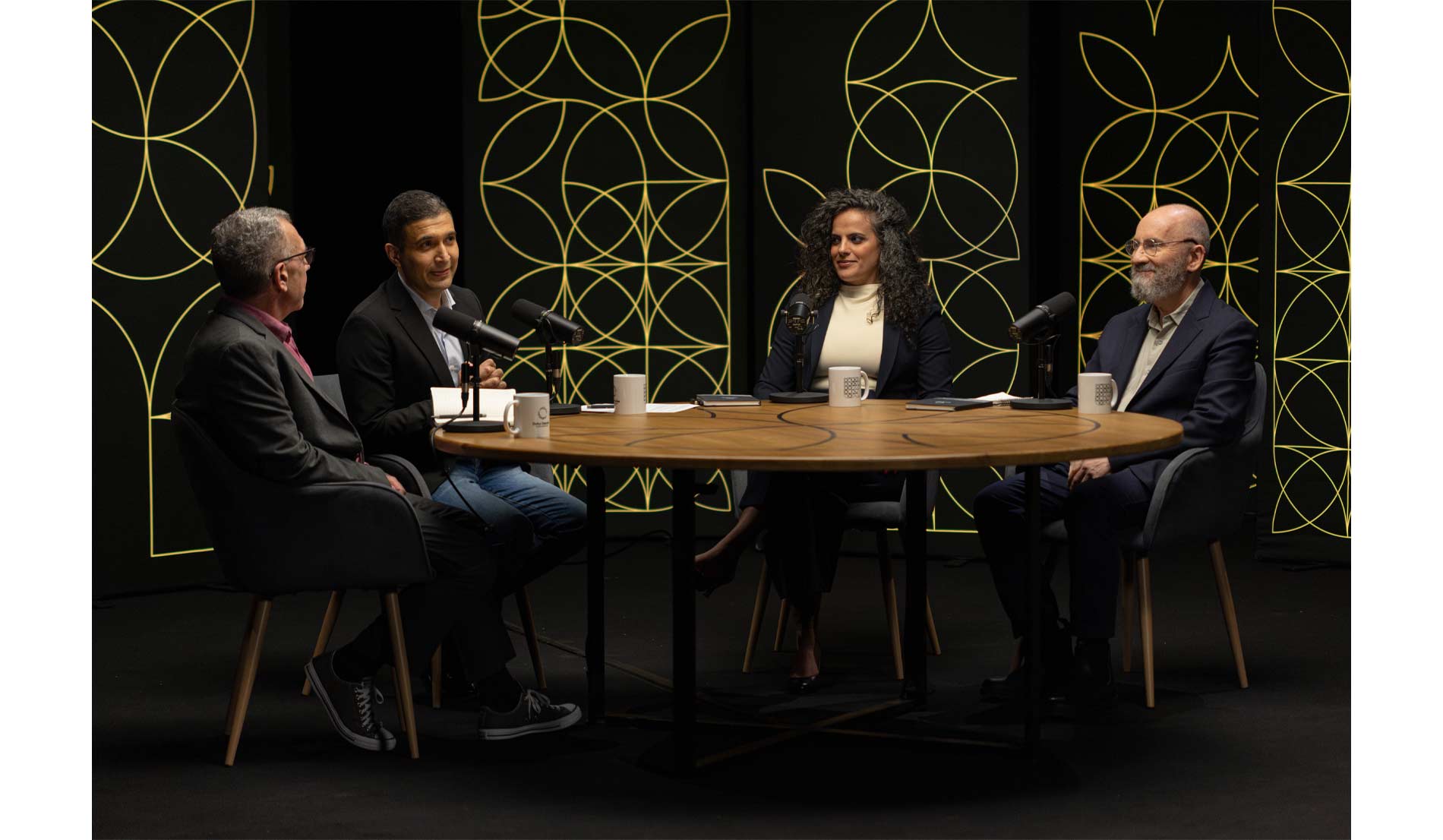
Qatar Foundation’s Doha Debates Podcast Examines What Football Reveals About Society
MEPRA’s UAE Leadership Majlis Returns for 11th Edition: “Emerging Stronger: Shaping What Comes Next”