

Industry Talk - Free Talk
A virus that cannot be controlled
by Iain Akerman
February 16, 2026

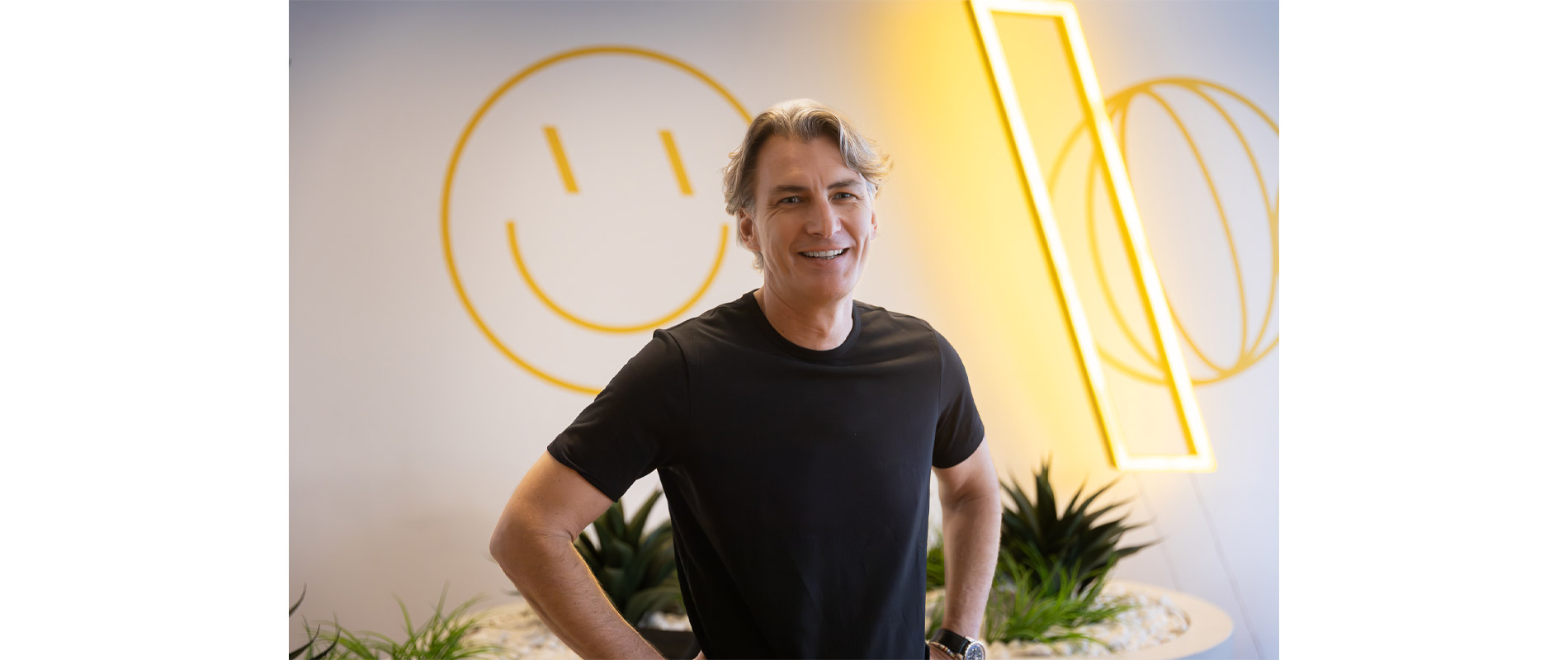
Seyoan Vela, chief creative officer at Livingroom, on
why scam work has to be called out at every turn

Let me start by saying, scam is not what it used to be.
In the last two years, I’ve judged at Cannes, D&AD, the Loeries, and Adfest, and I can tell you firsthand that there is far less scam than there used to be. And when it does appear, it is far more likely to be called out than conspiratorially laughed about.
And that’s all that’s happened. A new generation and an evolved industry have been far more willing to call out publicly, and name and shame, the cheaters. Because that is what they are.
I remember when, after my first year in the Middle East, I was asked to write an article about my first impressions of Dubai Lynx. I ended by ironically saying: “The work is world-class, but the media planning and buying must be terrible because I’ve never seen any of it.” That comment went down like a lead balloon and received criticism from all quarters.
The historical reality is that Europe and the US never really did scam. Clients and colleagues just wouldn’t accept it. Neil French is credited with pioneering scam ads in Asia, comparing them to the equivalent of catwalk fashion. As a result, the Singapore ad scene took off. That approach heavily influenced agencies in the Middle East and South America, who were struggling to be seen on the global stage.
And, just as French ended up as the head of WPP, we have our own scammers in the region who, rather than being punished, were promoted.
People who have entered work that never ran. Or for clients that don’t exist. Or claimed millions of views or faked PR articles. Who have claimed AI when it was done manually or claimed a technology that never worked in reality.
I mean, if you looked at the work that has won from the region in the last decade, you would think advertising had solved all of Lebanon’s social and political issues. Yet, the last time I looked, very little has changed.
Maybe it’s a sign of maturity that, year after year, there’s now less scam. Or advertising’s greater struggles have meant the holding companies have pulled back from the vanity of awards success to the real metrics of revenue and profit.
But in a region where even clients have been complicit, it is time that scam work was called out at every turn. It is not a harmless bit of fun. It can hold back careers and lead to unrealistic client expectations. It can promote the ineffective and ignore the hard workers. Like a virus that could no longer be controlled, it contributed to our demise and has ultimately helped put our industry on life support.