

News
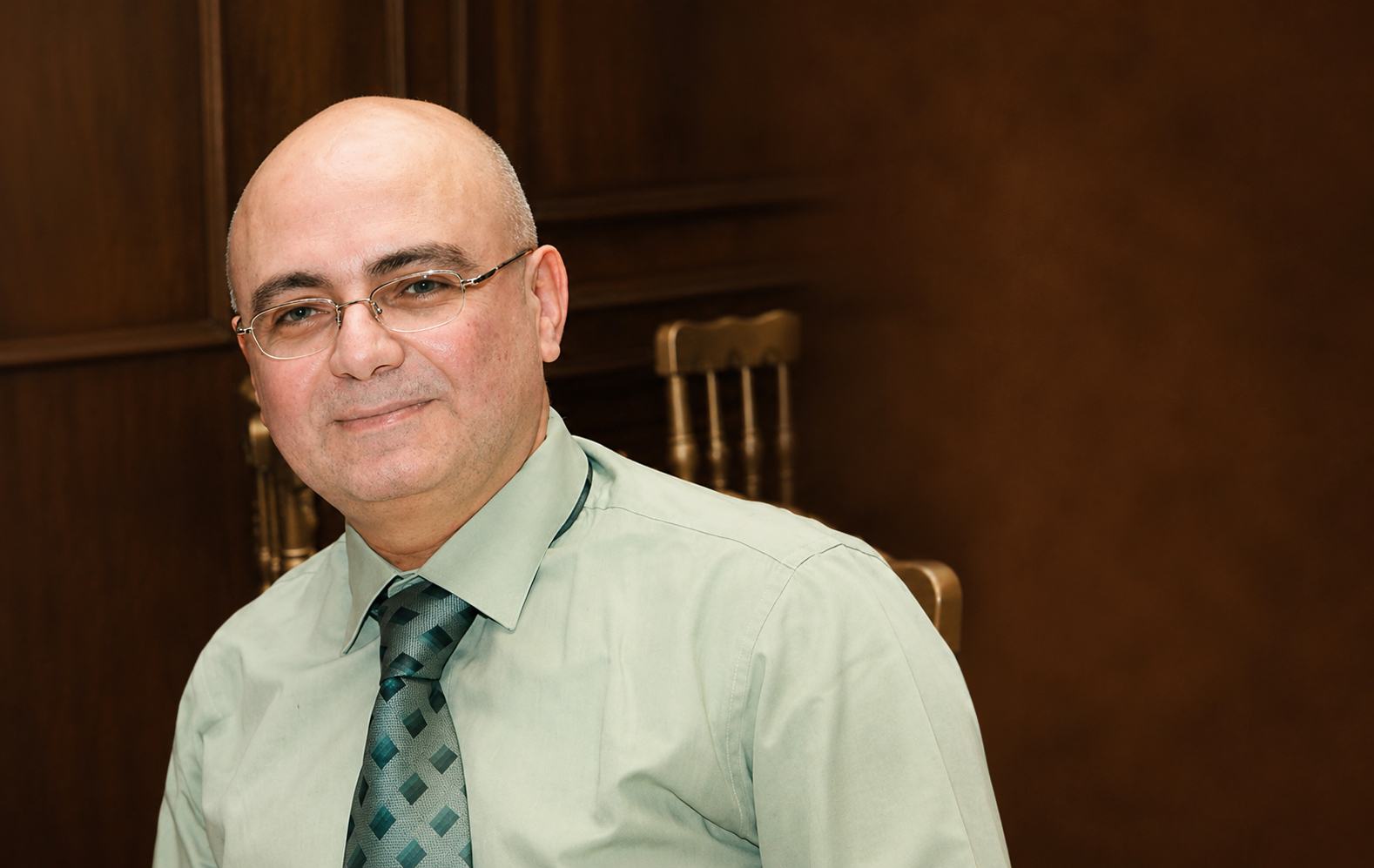
The Human Edge: Building a competitive advantage through People, Culture & Vision with Mohamad Fouladkar, Group CEO, Abulhasan Group
by ArabAd's staff
December 24, 2025

In an era where technology, automation, and artificial intelligence dominate conversations around competitive advantage, Mohamad Fouladkar, Group CEO of Abulhasan Group, offers a perspective that feels both grounded and forward-looking: tools may level the playing field, but people ultimately determine who wins.
At the core of his leadership philosophy is a simple yet demanding belief that sustainable advantage starts with human capital: how you hire, how you collaborate, and how intentionally you protect culture as you grow.
Hiring Builders
For Mohamad Fouladkar, talent acquisition is never simply a matter of filling roles; it’s about raising the organization’s collective standard. Abulhasan Group actively seeks what Fouladkar calls “proven builders” individuals who have created value, built brands, and demonstrated the ability to solve real problems rather than merely manage processes.
“We are very intentional with our headhunting,” he explains. “We go after people who can raise the average across the organization, instead of waiting for good talent to show up.”
Diversity of background plays a crucial role in this approach. By hiring across different sectors, the company injects fresh thinking into its teams, challenging conventional patterns and encouraging innovation. However, technical expertise alone is never enough. Curiosity, ownership, resilience, and the ability to collaborate under pressure are considered non-negotiable soft skills.
Equally important is cultural fit. “We want people who care about the work, not just the salary or title. People who are excited about creativity elevate those around them,” Fouladkar says.
The Impact of Women in the Workforce
Today, women represent over 40% of Abulhasan Group’s workforce. A shift Fouladkar notes was not driven by quotas, but by merit.
“It was simply the result of hiring the strongest talent available,” he says. “And it has strengthened the organization on every level.”
From leadership dynamics to day-to-day collaboration, the impact has been tangible. Women within the organization have consistently overdelivered, often while balancing multiple responsibilities both professionally and personally. Their presence has brought broader perspectives, greater empathy in decision-making, and expanded creativity an essential asset in an industry rooted in cultural understanding.
Performance, he adds, has undeniably improved. Stability, leadership maturity, and a deep sense of ownership have elevated the agency as a whole.
Protecting Culture in Times of Growth
While culture is often celebrated in mission statements, Fouladkar is quick to point out that growth itself is the greatest threat to culture. As organizations scale, fragmentation, silos, and loss of intimacy can easily creep in.
To counter this, Abulhasan Group defends its culture through extreme selectivity in hiring. A single wrong hire, even one with strong technical credentials, can dilute years of carefully built chemistry if soft skills are lacking.
Transparency and access are also foundational. Leadership remains visible and communicative, ensuring that teams understand not just what the company is doing, but why. Everyone is expected to see the big picture and their role within it.
Most importantly, accountability is shared. “There’s no ‘that’s not my job’ mentality here,” he emphasizes. “Everyone is responsible for the outcome.”
Collaboration Over Silos
True collaboration must be designed. At Abulhasan Group, teams are structured cross-functionally from the outset, avoiding isolated verticals that hinder collective performance.
Leaders are expected to collaborate as a baseline standard. While healthy internal competition is welcomed, success is measured by group output, not individual wins. Achievements are celebrated collectively, reinforcing unity over ego.
Employees are encouraged to step outside their lanes, sharing knowledge, supporting other teams, and contributing wherever they can add value. This philosophy is reflected even in recruitment: chemistry matters just as much as past accomplishments.
Competition as a Catalyst
Fouladkar sees competition as a sharpening force. Increased pressure demands discipline, focus, and mastery, leaving no room for complacency.
This environment has pushed Abulhasan Group to deepen transparency with clients, offering full visibility, no surprises, and a shared commitment to results. Client growth is treated as the agency’s own growth, fostering trust, loyalty, and long-term partnerships.
Competition has also raised expectations for innovation, pushing the group to continuously explore new strategic approaches and execution models, while accelerating entry into emerging sectors where it can deliver distinctive value rather than simply follow trends.
Why People Still Matter More Than Technology
Despite the rapid rise of AI and automation, Fouladkar remains convinced that technology alone cannot create differentiation.
“Tools level the playing field,” he says. “People create the advantage.”
While access to technology is nearly universal, the ability to use it intelligently, creatively, and strategically is not. The same tools, in different hands, produce vastly different outcomes. AI may enhance capabilities, but it cannot replace intuition, cultural insight, emotional intelligence, or meaningful client relationships.
“In our industry, nuance and human understanding are irreplaceable,” he notes. “The real edge lies in interpreting culture and behavior and using that insight effectively.”
Entering New Sectors Without Losing the Core
As Abulhasan Group expands into areas such as eGaming and AI, alignment remains a top priority. The company moves deliberately, investing time in due diligence and clarity before entering any new space.
Alignment starts with purpose. Teams are made to understand why the organization is entering a sector not just that it is. Mindset comes before expertise, with adaptability, curiosity, and learning agility taking precedence over technical credentials.
Crucially, new capabilities are integrated into the existing culture rather than isolated into disconnected units. Collaboration, shared accountability, and high standards remain constant, regardless of the sector.
“The vision acts as our anchor,” Fouladkar concludes. “As long as everyone understands what we’re building, entering new spaces becomes an extension of who we already are not a departure from it.”
Recommended
Qatar Foundation’s Doha Debates Podcast Examines What Football Reveals About Society
MEPRA’s UAE Leadership Majlis Returns for 11th Edition: “Emerging Stronger: Shaping What Comes Next”