

Industry Talk - POV
The problem with Leadership today isn't what’s said. It’s what’s left unsaid.
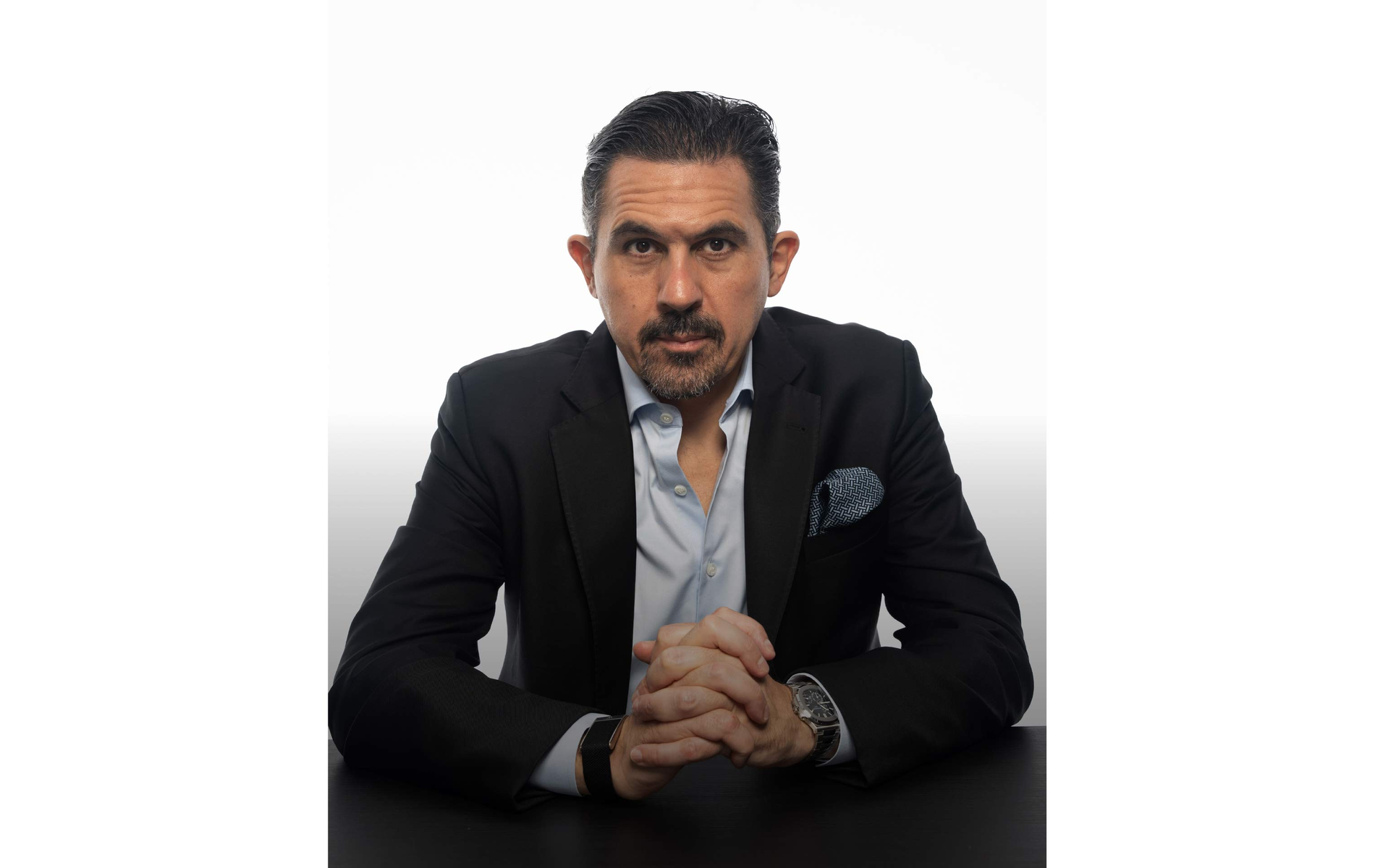
by Ahmad Itani, Founder and CEO of Cicero & Bernay
June 2, 2026
We talk about leadership as though it happens on a
stage, as though it’s always about keynotes, press interviews, social posts,
and thought leadership articles. The prevailing view of leadership centres on
stepping forward and performing in the moments everyone can see. But there’s
another side that rears its head during challenging times. And people can see
through the performance.

The 2026 Edelman Trust Barometer, based on nearly 34,000 respondents across 28 countries, found that 70% of people are unwilling or hesitant to trust someone with values different from their own. Globally, only 32% believe the next generation will be better off. The world is retreating into insular circles. People trust their colleagues, their neighbours, and their immediate managers. They have significantly less faith in institutional leaders and public figures. Here is where it gets personal. Edelman's data shows that 42% of employees would rather switch departments than work under a manager whose values differ from theirs. This could be happening inside your organisation right now. The question is whether your leadership communication acknowledges it.
Most of the time, it does the opposite. PwC's 29th Global CEO Survey, polling 4,454 CEOs across 95 countries, found that only 30% are confident about revenue growth in the next 12 months. The lowest in five years. And yet the public posture of most leaders remains polished, optimistic, and carefully managed. It wouldn’t be a stretch to simply call it inauthentic. The gap between what leaders say publicly and what their own people experience privately is widening. That gap has a cost.
PwC's analysis found that companies with the fewest trust concerns delivered shareholder returns that were nine percentage points higher than those with the most. Trust is a core human value, but it’s also a financial instrument. Losing it shows up in outcomes and in the willingness of teams to go beyond what is asked of them.
I have worked in strategic communication across this region for almost three decades. The shift I am seeing is fundamental. Boards are asking for leaders who are measured and disciplined, according to senior hiring data from Novoexec. Crisis communication research points to the same conclusion: the leaders who emerge stronger from difficulty are the ones who commit to clarity, honesty, and what one analysis calls strategic empathy. AI is making this even more urgent. As machines handle more of the coordination, analysis, and content production, what remains uniquely valuable is human judgment. Leaders who aren’t afraid to show their thinking, and occasionally their uncertainty, will build stronger connections than those who rely on finesse alone.
Visibility is still important, but only when it carries something worth hearing. In uncertain times, the leaders who earn trust will be the ones who stop performing and start being honest and present in the ways that actually count.