

Industry Talk - Features
Exclusive ArabAd / Agencies of the Future: Flexible, Fragmented & Free
by Christina Fakhry
April 21, 2026



A Deep Dive into Shifting Agency Dynamics and the Undercurrents of Modern Creativity
As traditional agency models further break down and leaner decentralized structures emerge across the industry, internal and external forces come into play to shape the future of marketing and advertising. Creativity has taken up a broader systemic definition, propelling vision-setters and taste-makers alike into purposeful action. Instead of playing catch-up with technology and cultural currents at play, creatives ought to anticipate, adjust and adapt at a faster pace than ever before.
In an attempt to peal back the layers beneath this tectonic transformation, ArabAd probed deep into the minds of homegrown industry insiders for a taste of what lies ahead. They opened up according to their polyvalent experiences, revealing what stirs their spirit and pushes the boundaries of their imagination. From candid truths to pointed observations, we took in every detail, harnessing collective wisdom to take readers for a spin where ideas flow and the winds of change blow.
The Shifting Parameters of Modern Creativity
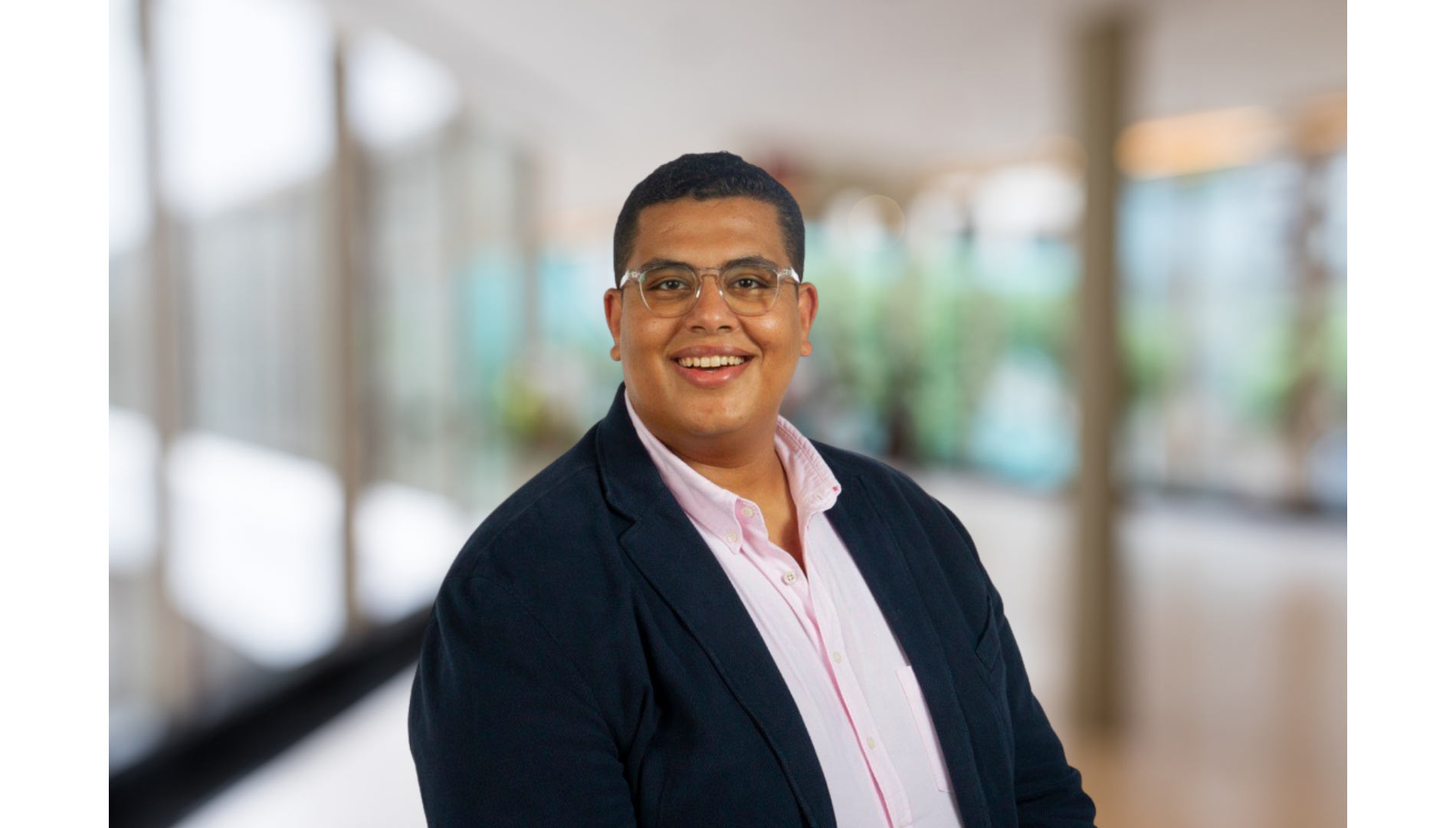
The case for creativity has long been subject to nuanced industry perspectives. While many tend to interpret it through the lens of problem-solving and making complexity accessible, others are more likely to focus on originality and emotional resonance. But no matter the outlook, experts are largely in alignment on its rapid evolution toward an insight-driven future. “Creativity is becoming data-informed, platform-native and content-rich, often requiring hundreds of variations of an idea across different formats, languages and contexts,” Senior Lecturer at the National University of Singapore Dr. Samer Elhajjar told ArabAd.
With a PhD in Marketing complemented by years of experience in curriculum development, academic leadership, industry engagement and consulting, the Lebanese-born educator imparts his extensive expertise to both graduate and undergraduate students at Singapore’s flagship research university, besides advancing marketing education through collaborative innovation.
“On the positive side, we now have more tools, more insights and more access to audiences than ever before,” he observed. “But the downside is content fatigue, audience overload and the pressure to constantly create.”
Elhajjar goes on to frame the current state of creativity as an increasingly fragmented means of solving business problems in ways that can simultaneously capture attention and drive action. “It’s not about being clever for the sake of it, it’s about knowing your audience, understanding their triggers and delivering ideas that make them stop, feel and do,” he noted. “The brands and agencies that survive will be those that prioritize creative quality over quantity, use technology wisely and build modular ideas that can scale across platforms without losing impact.”
His practical perception is closely echoed by industry polymath and former TikTok Creative Director for the METAP region Rawad Habib, who considers creativity inextricable from innovative solutions in essence. “Whenever a brief, request or problem arises, creatives must source the right combination of tools from their earned skillset, pair it with a mix of references/past projects and deliver an answer, which solves the initial problem,” he explained. “Today more than ever, with the readiness of AI at hand, the unique point of view added to creativity will be its evolution.”
A man of many hats, Habib moved back to Lebanon a couple of years ago following successful stints in Dubai and Los Angeles and currently works as Creative & Marketing Director at one of the country’s leading luxury retailers. His multi-sector expertise and versatile spectrum of skills continue to land him valuable opportunities in the field, just like gulf-based homegrown talent and award-winning marketer Serge Trad, who went on to co-found creative studio Closed Captions Communications with his sister Sarah in 2023 after over a decade of experience in the fast-paced world of Hospitality.
Besides his founding role as Creative Director of Visual at the studio, he leverages his F&B background into his concurrent Marketing Director position at Riyadh’s hospitality solutions firm OAK Group and other innovative ventures such as the Gulf Bar Show. “It’s hard to label yourself as ‘creative’ in an industry where creativity is subjective, which is where originality comes into play,” he said when asked about his personal definition of creativity. “In a world where the human touch is gaining value over overtly scripted ads, your client will always go for what’s more human.”
Human connection also takes center stage in the eyes of Maya Toutoungi, Creative Director at Beirut-based independent creative agency Joe Fish. Creativity to her translates into the ability to turn simple insights into powerful, memorable ideas that can connect with people on a deep, emotional level. “It’s about storytelling that resonates, ideas that disrupt and messages that stick,” the seasoned professional pointed out. “It’s about flipping perspectives through problem-solving with insights, relatability and just the right amount of emotional manipulation (the good kind). A great idea isn’t just seen, it’s felt.”
Multi-awarded Associate Creative Director at Impact BBDO and Académie Libanaise des Beaux-Arts [ALBA] Instructor Anthony Asmar equally upholds the power and primacy of ideas as core propellers of the creative process.
“For me, creativity occurs when a BIG idea transforms behavior, shifts emotions or reshapes perceptions about a brand,” he noted in a subtle nod to BBDO Worldwide’s new global positioning. “In the near future tools will change, but ideas matter most. If you’re not making creative sense, even the best tools can’t save a campaign.”
Looking ahead, creativity is not only becoming more fragmented but also evolving towards greater authenticity and deeper human connection. In a rapidly shifting global landscape where consumers are more skeptical and selective than ever before, Toutoungi emphasizes the imperative need for brands to go beyond advertising and start truly engaging. “The best creative work will be the kind that blends culture, technology and real human insight, to ultimately be able to tell stories in fresh and unexpected ways,” she affirmed. “Creativity is the perfect balance between strategy and surprise.”
The Quest for Leaner Workflows: Myth or Reality?
While many factors come into play when it comes to unlocking advertising effectiveness, creative quality remains the largest contributor to driving sales according to Nielsen data. As industry structures become more compact, agencies can ensure their survival by investing in operational infrastructures that allow ideas to scale without burning out creative teams, all while training teams to think creatively within clearly defined speed, budget and overall efficiency constraints, as conveyed by Elhajjar. They also ought to balance emotional resonance with performance metrics and embrace data as an enabler, not an obstacle.
In many ways, the traditional agency model built around large teams, big retainers and long timelines is breaking down. “Clients want leaner, faster and more flexible partners,” Elhajjar observed. “We are witnessing a new age of advertising, where artificial intelligence is reshaping the industry and client expectations are fundamentally shifting,” Asmar further noted. The agency of the future is therefore headed in the direction of “dynamic collaboration between technological innovation and human creativity” from the visionary creative director’s point of view.
The agency structure is leaning towards more agile, decentralized models based on Serge Trad’s regional industry observations. Such improved fluidity can pave the way for deeper forms of collaboration and creative exchange. “I see two key shifts: purpose-driven e-studios with sustainability at their core and agencies functioning as strategic partners rather than just service providers,” he explained, highlighting Closed Captions Communications’ latest attempt to put the latter to practice by both branding and managing the Gulf Bar Show, MENA’s first bar and beverage trade show.
Elhajjar also identifies an undisputable shift to modular teams, predominantly project-based, that bring together the best talent on demand. “The line between agency, in-house and freelance is blurring,” the seasoned scholar indicated. “We’re heading toward smaller, sharper and more specialized teams, aka quality over quantity, brains over bodies,” Toutoungi added. This is where the effectiveness of the process starts to outweigh the volume of work and deliverables. “The real differentiator won’t be how much we produce, but how bold, creative and effective our work is,” she continued.
Keeping up with rapidly shifting trends and platform-specific preferences also plays a key role in shaping agency workflows. “We're living in the era of trends and shooting stars: one day everyone wants to do CGI, next week it's food x fashion, the one after it it's shoppable live streams,” culture-savvy creative Rawad Habib observed. “Agencies need to become modular hubs of on-demand creatives to keep up, while keeping at their core polyvalent hybrids who are able to adapt concepts to trends and be slightly ahead of the algorithm to roll out content before its peak.”
And while the emerging workforce favors flexible, remote and allegedly agile creative environments in theory, implications differ greatly in practice as per Toutoungi’s inferred industry insights. With this in mind, she foresees the future of agency structures to be “unpredictable and constantly shifting” due to a number of factors. “Between AI, evolving client demands and a new generation redefining ‘work’, we’re in an era of rapid adaptation,” she discerned. “Agencies that survive will be the ones that move fast, think smart and solve problems before they even happen. There’s no one-size-fits-all solution.”
Many positive changes are set to arise from these shifting dynamics according to Elhajjar, from more collaborative ecosystems where agencies partner with creators, tech platforms and clients directly to the rise of specialized micro-agencies with astute expertise in areas such as influencer marketing, AI content or UX/UI. Remote/hybrid structures can also enable access to global talent, tapping into a limitless pool of pickings. Conversely, challenges that lie ahead include the risk of burnout and turnover due to agencies running on speed alone, as well as pricing pressures and shrinking margins as clients demand more for less.
In light of these uncertainties, creative agencies should beware of “losing their seat at the strategy table by becoming execution partners only” in the words of the Singapore-nestled academic. Instead, they must hold on to their distinctive identity and focus on the added value they bring into play. “To survive, agencies must clearly define their value proposition beyond execution, invest in training and upskilling notably when it comes of tech, data and strategy development, and focus on culture and collaboration,” he added. “Great work can only come from strong, aligned teams.”
The Road to Future-Proofing Agency Structures
Now more than ever, agencies ought to streamline their internal communication systems, bid farewell to unsustainable desk-rotting and invest in internal structures that respect work-life balance. “Agencies that believe in doing more for a little will only exhaust themselves moving forward,” Habib noted. “They must uphold internal culture, mental health and team-building activities in tandem with daily tasks and deliverables, in addition to focusing on business development through people development and tackling expansion with a global mindset that makes the most of their uniqueness.”
A people-first approach can make it or break it when it comes to harnessing purposeful action. “Whether in terms of employees, clients or consumers, agencies that prioritize people, building strong cultures, fostering talent and creating work that genuinely connects will always have the edge,” Toutoungi told ArabAd. Creative leaders also need to foster strategic creativity over clutter. “The industry needs to bring back bold, real, insight-driven work, the kind that moves culture, not just algorithms, all this based on business objectives,” she continued. “In other words, less noise, more impact.”
Along the same lines, agencies must build strategic empathy, which Elhajjar defines as “the ability to deeply understand human motivations, cultural nuances and emotional triggers” in order to adapt to them. “AI can detect patterns, but it doesn’t feel. Agencies that can turn complex human behavior into meaningful brand ideas will stay relevant,” he assured. This is where sound creative judgment comes into play. “AI can generate 100 options in seconds, but deciding which one works, and why, still requires human instinct, brand understanding and taste shaped by experience,” he added.
Agencies need people who can edit, frame, adapt and elevate ideas, not just generate them. “But with agentic AI, automated creative tools, and real-time personalization platforms evolving at a faster-than-ever pace, focusing on what AI ‘can’t’ do is no longer a safe strategy to follow because AI keeps learning, which means agencies need to go deeper, not just different,” Elhajjar advised. “In short, survival lies in mastering context, judgment, emotion, ethics and creative leadership, all while using AI tools smartly to deliver faster, better and more adaptive work.”
From an insider’s standpoint, the top 3 qualities agencies need to remain future-proof according to Impact BBDO’s Anthony Asmar are to never compromise on quality, accept change and adapt to it and believe that ideas can change the world. Meanwhile, his list of things to let go of includes sticking to your darlings, eye-candy campaigns that lack business results, fear of the client and compromising core beliefs. “Stop playing it safe. The agencies that will last are the ones willing to take risks, challenge norms and push creativity forward, not just follow trends,” Toutoungi concurred.
Her list of industry practices to relinquish starts with the constraints of fear-driven creativity. Playing it safe, watering down ideas and being terrified of taking a stand can only lead to bland, forgettable and meaningless work. “Agencies need to stop being the client’s yes-man. They need to stop being slaves to approvals and start being champions of bold ideas. Creativity isn’t about avoiding risk, it’s about making an impact,” she stated. There’s no place for ego in her book either. “Collaboration wins, not creative tantrums,” she added. “Being open is the first step to being creative.”
On their end, the co-founders of Closed Captions Communications, siblings Sarah and Serge Trad, always put transparency, swiftness and creativity first. “We’re not big on long timelines, over-complicated processes and working behind the scenes without the client’s input,” they explained. To overcome challenges as such, Dr. Samer Elhajjar cites “orchestration across chaos” as an essential future-proofing skill. “In a fragmented marketing landscape, agencies that can connect the dots, align teams, manage complexity and deliver integrated ideas that scale across touchpoints will outperform those stuck in isolated silos,” he emphasized.
The Role of AI in Shaping Agency Work
The advertising landscape has pushed through several resilience-building peaks and valleys across time. As Asmar puts it, many waves have come across ad-land: the rise of computers, social media’s transformative power, and now AI. “Through each phase, advertising has successfully integrated these innovations into its business model. No matter what comes next, nothing will replace the fundamentals of our industry,” he assured. “As AI takes over technical execution, creatives will spend more time on ideation and storytelling. They’ll have more time to concentrate on the core concept rather than figuring out how to bring it to life.”
AI is already reshaping agency work across many aspects, from idea generation and consumer insights to content creation and media planning. When used properly and responsibly, it’s a force multiplier that can generate countless content variations, pinpoint trends before they go mainstream and help teams test faster. “On the upside, this means more time for strategic thinking as AI handles repetitive tasks, better targeting and personalization, and faster production cycles and dynamic creativity,” Elhajjar noted. “The agencies that will thrive are the ones who treat AI as a partner, not a savior.”
Being a creative of many talents, ever-expanding curiosity and an intimate flair for words, journalist and former Editor-in-Chief of tech and business newsletter Step Feed Sarah Trad finds in AI an energy-saving collaborator that allows her to keep overlapping project tabs running seamlessly at the same time. “AI is what I’ve always dreamt of, without knowing it will look and feel like this,” the Co-Founder & Creative Director of Verbal at her own sibling-led studio told ArabAd. “We can run parallel projects with such efficiency, while saving energy for the creative part.”
She and her brother Serge are lifelong multitaskers with sharp instincts who love capitalizing on the latest industry developments. “We love AI mainly because it helps us crack on bureaucratic tasks. But we hate it when we spot an ad artificially conceived without proofreading or humanizing, that’s just expensive laziness,” they added. In order to make the most out of it, AI needs to be trained and not used as is. “Employees must be taught how to approach it uniquely, to get one more ingredient to add to their creative workflow in return,” fellow creative Rawad Habib noted. “It's not a one-stop solution, but rather a one-more-step to the solution.”
Eventually, AI will go on to streamline agency processes, automate repetitive tasks and provide deeper consumer insights at lightning speed, as comprehensively outlined by Joe Fish’s Maya Toutoungi. “It will help agencies work smarter, freeing up time for strategists and creatives to focus on what truly matters: ideas that move people,” she observed. “But it’s a double-edged sword. On one side, it’s giving us mind-blowing tools, pushing creative boundaries. On the other hand, it’s making things dangerously predictable. Generic, robotic and painfully soulless.”
Habib echoes her concerns by further stressing this inherent duality around the artificial intelligence debate. “AI both liberates and incarcerates agencies,” he said. “We are all very close to all sounding alike, but we are also able to get more tasks done.” This leaves plenty of room for reflection and readjustment. Just like medication, AI raises questions of dosage, administration and compromise that are better addressed on a case-by-case basis. “And if we’re not careful, we’ll lose the spark that made this industry worth being in, the human instinct, the gut feeling, the magic,” Toutoungi remarked.
To mitigate the risks that can come with the use of AI, agencies must take adaptive, preemptive and most importantly proactive action. While ooverreliance on AI may lead to generic content that lacks originality, ethical concerns such as deepfakes, misinformation and bias could also incur damage to brands if not handled correctly. “Creatives might displaced or undervalued if AI replaces craftsmanship with shortcuts,” Elhajjar further observed. “Agencies must therefore build AI literacy across teams, invest in diligent human oversight and keep human insight and empathy at the core. AI can enhance creativity, not replace it.”
The Nuanced Taste of Creative Futures
To wrap up, we asked creatives about the nuanced interplay between taste and creativity in the context of today’s marketing and advertising industry. “You wouldn’t favor pants over shirts when going out, would you? Taste and creativity are how we present ourselves to the world,” Sarah Trad retorted. “When taste is lacking, a creative idea or brand can only reach a small target audience, resulting in smaller profits. Taste alone can also be boring, while creativity alone risks being visually displeasing, tone-deaf or worse. Not to say other elements aren’t part of the balance.”
In Habib’s world, taste primes creativity. “I am able to teach creativity, but so far unable to teach taste,” he noted, emphasizing that one can acquire creative skills and refine their creativity if they have the innate predisposition for good taste. Creativity conversely reigns supreme on Elhajjar’s side, primarily due to its actionable quality. “Taste is subjective and often shaped by personal bias or culture,” he observed. “In practice, a campaign with strong creative thinking can be refined later on to suit brand tone and audience taste. But without original thinking, there’s nothing to work with.”
To put the latter perspective a little differently, creativity brings ideas to life and moves the needle while taste fine-tunes and polishes them without nevertheless being able to replace them. Creativity is undoubtedly the driving force behind ideas that are able to break through the noise in Toutoungi’s concurrent opinion. “A truly creative idea can redefine taste, shape culture and set new standards. Taste is just the seasoning. Without creativity, taste alone is just an opinion,” she elucidated. “The best work happens when creativity leads, and taste refines.”
Taste and creativity ultimately go hand in hand when it comes to Asmar. “You first start with the creative process, then write the recipe. Taste is served once you start cooking something new,” he told ArabAd. This approach balances out the scales, striking a good middle ground between the two forces at play. “The real game-changers aren’t the ones who follow good taste. They’re the ones who create it,” Toutoungi concluded. As we close the final chapter of our deep dive, it is important to remember our role as creatives in shaping industry narratives, reforming obsolete structures and bringing back the impactful spark of creativity.
Photo Cptions:
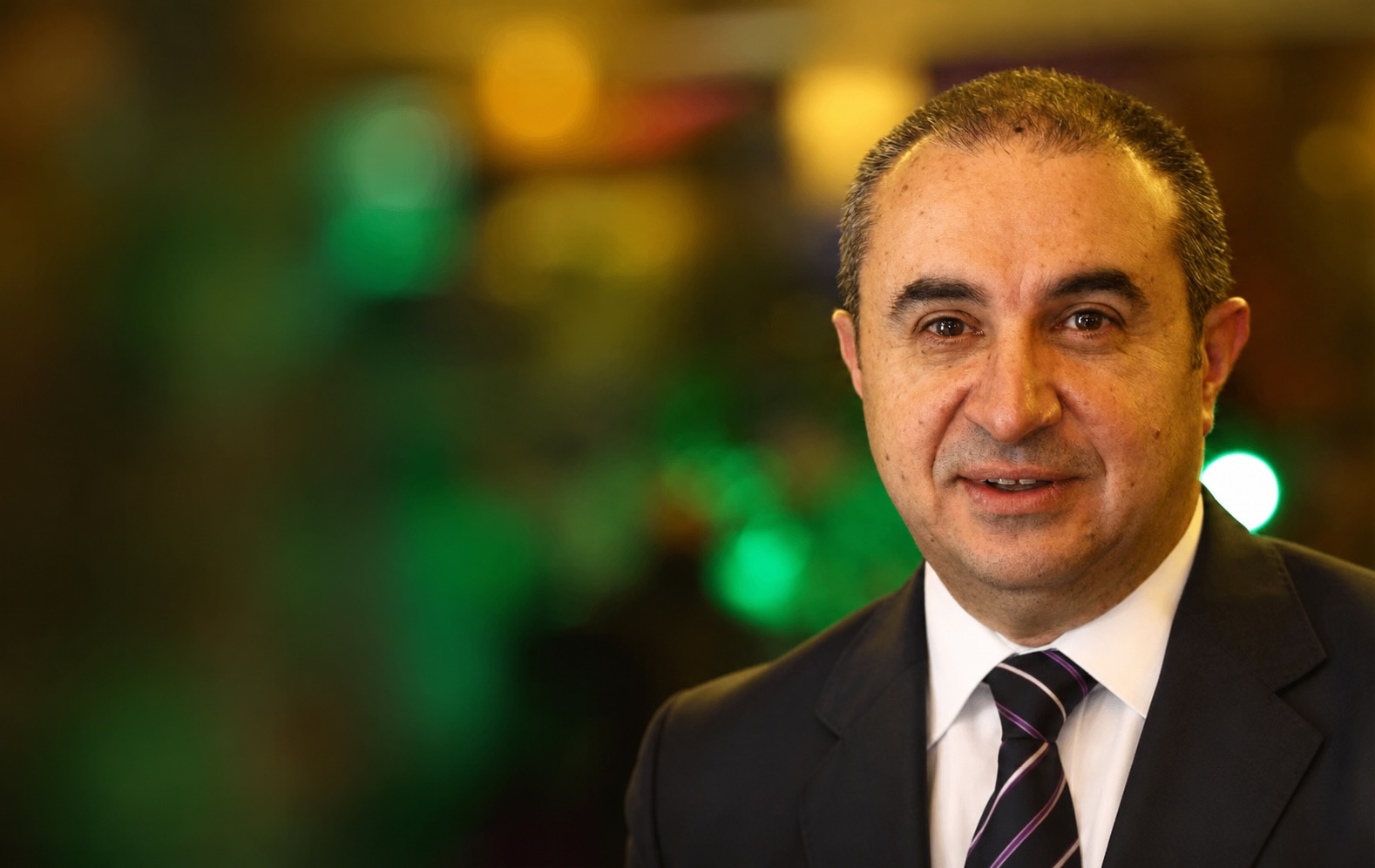
1- Dr. Samer Elhajjar, Senior Lecturer at the National University of Singapore
2- Serge Trad & Sarah Trad Co-Founders of Closed Captions Communications
3- Anthony Asmar, Associate Creative Director at Impact BBDO & ALBA Instructor
4- Maya Toutoungi, Creative Director at Joe Fish
5- Rawad Habib, Creative & Marketing Director, Former TikTok Creative Director for the METAP Region