

Industry Talk - Interviews
Exclusive ArabAd interview : Najib Sabbagh CEO SSUP
by ArabAd's staff
March 9, 2026

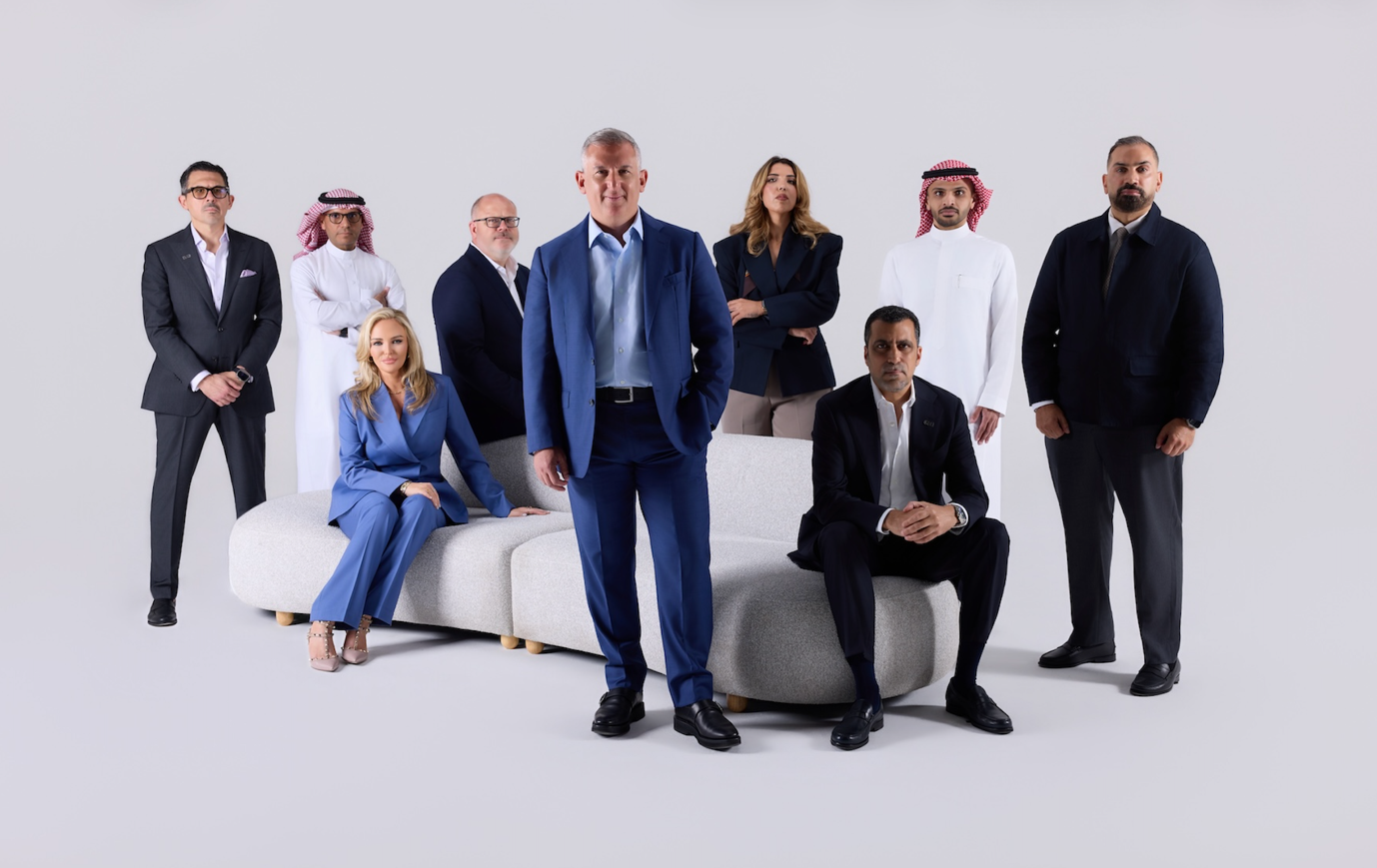
Najib Sabbagh, CEO of SSUP, shares his
perspective on how Saudi Arabia’s advertising industry has rapidly transformed
in recent years. In this interview, he discusses the impact of Vision 2030 in
accelerating digital innovation, creativity, and new opportunities across the
Kingdom’s communication landscape.
How has the Saudi advertising landscape evolved over the past five years, especially with Vision 2030 accelerating digital transformation and creative industries?
Over the past five years, Saudi Arabia’s advertising landscape has evolved faster than many global markets combined. Vision 2030 acted as a catalyst, accelerating digital adoption while elevating the role of creativity, culture, and innovation. Advertising is no longer about reach alone; it is about relevance, engagement, and contribution.
We’ve seen a decisive shift toward digital ecosystems, driven by a young, highly connected population. Platforms like TikTok, Snapchat, and Instagram, are no longer just channels; they are cultural spaces where trends are created, and brands are judged in real time. At the same time, government investment in the creative economy has elevated local storytelling, design, film, and content production to new standards, allowing Saudi creativity to compete on a global stage.
Equally important is the change in mindset. Brands today expect accountability, measurable impact, and stronger alignment between marketing and business performance. This has pushed agencies to evolve into strategic partners that combine creativity with data, technology, and cultural insight.
What are the biggest opportunities for brands in the Kingdom today, and how are agencies helping clients tap into them?
Saudi Arabia today offers brands a rare combination: scale, growth, and cultural momentum. The biggest opportunity lies in engaging a young, ambitious population that is open to new ideas, highly expressive, and deeply connected to both local identity and global culture. This creates enormous potential for brands that are willing to listen, adapt, and co-create rather than simply broadcast.
Another major opportunity is the maturity of the digital and e-commerce ecosystem. Consumers are increasingly comfortable discovering, evaluating, and purchasing brands entirely online, which allows advertising to directly influence business outcomes rather than just awareness. At the same time, the rise of Saudi creators and influencers has opened doors for authentic, community-led storytelling that resonates far more powerfully than traditional advertising ever could.
Agencies are helping brands tap into these opportunities by designing campaigns that are flexible, platform-aware, and insight-led. Rather than relying on one big message, brands are learning to communicate through multiple touchpoints, adapting content to context while maintaining a clear and consistent brand voice.
What role does cultural authenticity play in advertising in Saudi Arabia, and how do you ensure your work resonates with local audiences while appealing to global standards?
Cultural authenticity is the defining factor of effective advertising in Saudi Arabia today. Saudi audiences are highly perceptive and increasingly vocal; they immediately recognize when a brand truly understands them versus when it is merely adapting global content with surface-level localization. Authenticity is not about using Arabic language or Saudi visuals, it’s about understanding values, humor, social dynamics, and the pace of change within the Kingdom.
Cultural insight is embedded at the core of our creative process. Our teams are built around local Saudi talent who are deeply connected to the culture, trends, and everyday conversations shaping the market. This closeness allows us to create work that feels natural and intuitive rather than manufactured or imposed.
At the same time, we operate to global creative and production standards, ensuring that every idea, execution, and experience can stand confidently alongside the best international campaigns. The balance comes from respecting local context while maintaining ambition. When done right, culturally authentic work doesn’t limit brands; it elevates them by making their message more human, relevant, and emotionally resonant.
What are the biggest challenges agencies face today in the Saudi market, and how are you addressing them?
One of the main challenges in the Saudi market is the speed of change. Consumer behaviour, platforms, and expectations are evolving rapidly, which requires agencies to remain agile and continuously upskill their teams.
Talent is another key challenge. There is strong demand for professionals who can think strategically while also understanding digital platforms, data, and emerging technologies such as AI. Addressing this requires long-term investment in people, learning, and cross-disciplinary collaboration.
The market is also becoming more competitive and fragmented. Audiences are spread across platforms and communities, making it harder to reach them through a single approach. This has pushed agencies to focus more on insight-driven planning, smarter content distribution, and closer integration between creative and media strategies.
Looking ahead, what long-term shifts do you expect in Saudi advertising, and how is your agency preparing for the next decade of transformation?
Looking ahead, advertising in Saudi Arabia will become more personalized, more experience-driven, and more accountable. Technology such as AI will increasingly support decision-making, content optimization, and audience targeting, while creativity will remain the key differentiator.
There will also be a stronger focus on purpose and long-term brand building. As the Kingdom continues its transformation, consumers will expect brands to contribute positively to society and culture, not just promote products or services.
To prepare for the next decade, agencies must continue to evolve their operating models, investing in talent, embracing new tools, and staying deeply connected to cultural and consumer shifts. The agencies that succeed will be those that balance speed with strategy, innovation with authenticity, and global standards with local relevance.