

Industry Talk - POV
How Marketing Has Shaped Human Destiny from Eden to AI
by Roger Halaby
March 4, 2026

In the main offices of today’s companies, we talk about marketing as it is a modern invention. But if we look closer, we confirm that marketing is humanity’s oldest science, the timeless art of influence that has shaped every turning point in history, from the serpent’s pitch in Eden to today’s AI-driven campaigns. Take the story of Adam and Eve as the first great lesson in persuasion. The serpent didn’t just offer fruit, it ran a campaign. This wasn’t chance, it was strategy. The serpent knew what many modern businesses still miss: marketing isn’t about the product, but the promise of transformation. This pattern repeats through time.
Along the Silk Road, traders practiced market segmentation; Renaissance artisans mastered B2B presentations with patrons. Every civilization refined marketing, even if they didn’t call it that. The exception today is clear: marketing is one of the most interdisciplinary sciences, blending psychology, sociology, neuroscience, economics, and art, yet it is deeply misunderstood. A surgeon’s skill is obvious, but marketing’s complexity is invisible. This leads to the dangerous belief that anyone can do it.
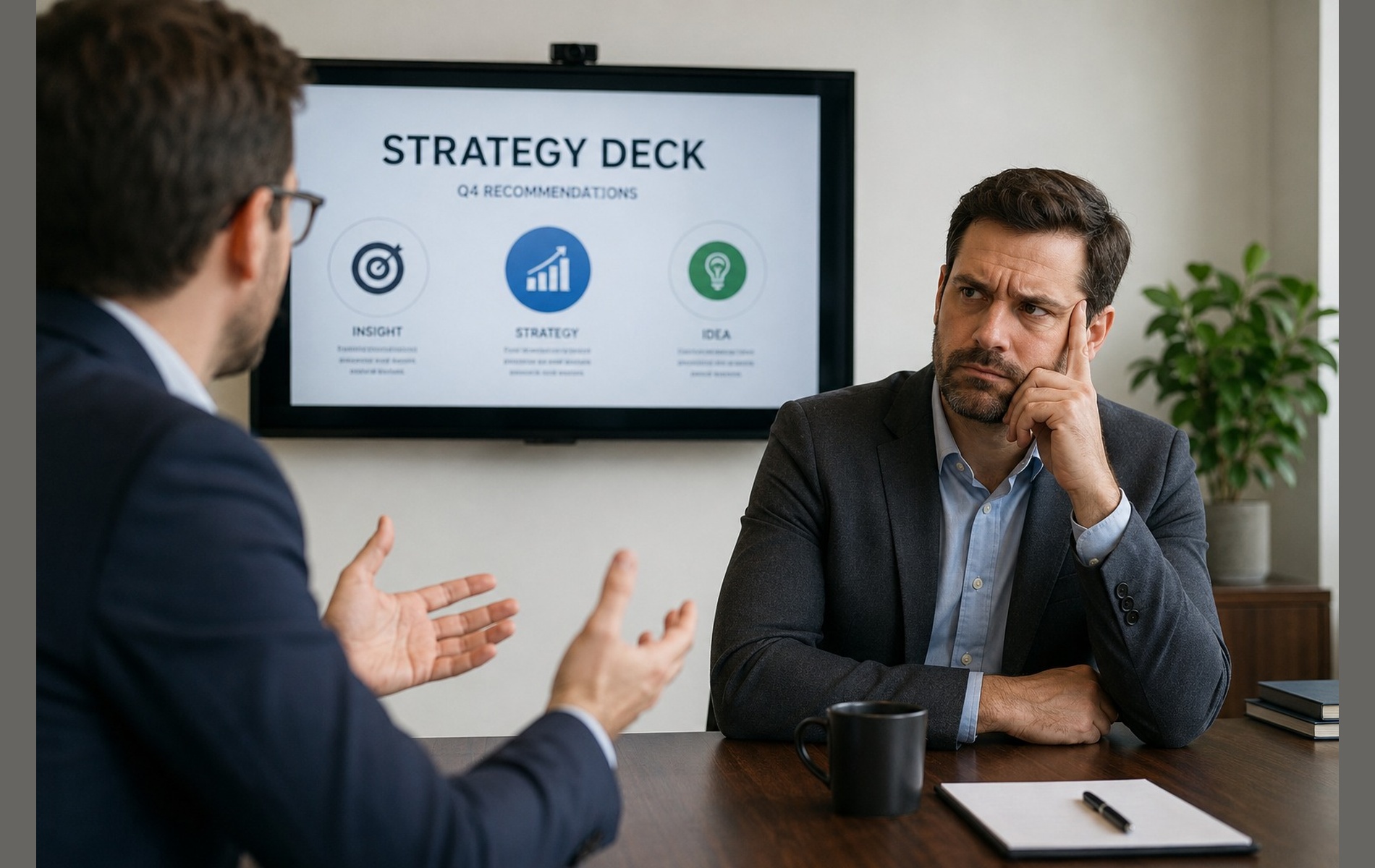
Let us look at two examples: A shawarma shop owner with no marketing degree consistently beats out nearby restaurants with professional teams. He remembers names, stays open late, keeps quality consistent. He calls it luck, but it is unconscious mastery of fundamentals: product excellence, positioning, segmentation. Two decades of success isn’t luck, it is applied science. Now apply that with a tech startup I watched. They had cutting-edge technology, generous funding, and a big budget. Yet they collapsed in two years. Why? They built solutions without validating problems, wasted money on Instagram influencers for a B2B product, kept changing messages, celebrated downloads but ignored retention. They treated marketing as decoration, not foundation. We see this everywhere today.
A teenager with a phone can reach millions, while major brands struggle to get engagement. Influencers with polished content often lose to those sharing authentic stories. Why? Because audiences have authenticity filters. They can tell who is connecting with them versus who is just marketing to them. When businesses complain “the algorithm hates us,” they miss the point. Algorithms don’t have feelings, they just show people what engages them. Winning is not about gaming the system. It is about creating genuine value that earns attention in a world where attention is lacking. AI has not replaced marketing, it has expanded it. It personalizes at scale, predicts behavior, and optimizes in real time. But it also magnifies tone-deaf campaigns. Successful businesses treat AI as a multiplier, not a magic stick. AI can tell us what happened and what might happen, but only human wisdom can decide what should happen. The core laws of marketing remain unchanged.
Perception drives value: the same water sells for pennies from a tap or dollars as Fiji. Focus drives positioning: Volvo owns “safety,” BMW owns “driving.” Trying to own everything means owning nothing. Reciprocity builds trust: those who give first, receive later. Modern buyers don’t follow straight paths. They discover on TikTok, research on Google, ask friends on WhatsApp, check reviews on Facebook, compare on Amazon, and finally buy in-store. Businesses that see these as disconnected channels miss the big picture: it is all one ecosystem. Measurement has turned marketing from art to science, but many track the wrong things, likes instead of loyalty, traffic instead of transactions. Smart marketers measure what truly matters: lifetime value, loyalty, ROI. The tragedy is not that marketing is failing, it is that too few recognize it as more vital than ever. Entrepreneurs who think success is luck can not scale it. Businesses that spend without understanding principles just fail louder. Every decision in business is a marketing decision. Pricing is positioning. Product design is problem-solving. Even operations, like same-day delivery is a brand promise.
From Eden’s apple to AI, from ancient markets to digital ones, marketing has always been about one thing: building connections that improve lives. The irony is that in a world where everyone has access to the same tools and information, advantage comes not from what you have but from what you understand and how good you are at properly using it. The shawarma owner succeeds without knowing why. The startup fails without knowing how. The difference isn’t luck or money. It is understanding marketing’s true nature: the science of influence.
Today, AI can write copy, but not a tailor-made strategy. Anyone can reach anyone, but few can truly connect. Data is everywhere, but wisdom is rare. Marketing is not optional, it is essential. The future belongs not to the ones with the biggest budgets, but to those who truly understand that marketing has always been about creating real connections that transform lives. Marketing is not dying, in fact it is evolving. It is not less important, it is more essential than ever. And those who treat it as the science it has always been, instead of the luck they wish it was, will shape the future of business.
In a world of rising complexity, the question is not whether marketing matters, it is whether we will recognize it before our competitors do. In this endless dance of influence and decision, perception and reality, art and science, marketing is humanity’s most fundamental skill. From paradise lost to algorithms gained, the rhythm hasn’t changed. Only those who master it will lead the dance.